
Manufactured in India · Exported to ZIMBABWE
Borehole Drilling & Water Development Solutions in Zimbabwe
Groundwater development requires drilling equipment that can respond to different formations, borehole dimensions, operating depths and field environments. The performance of the drilling rig depends not only on machine capacity, but also on the drilling method, tooling, air system and overall equipment compatibility. Synergy Rigs Zimbabwe provides borehole drilling rigs, water well drilling equipment and supporting drilling systems for contractors, drilling companies, agricultural developments, commercial projects and other groundwater applications across Zimbabwe. Our equipment range is developed around practical field operation, drilling productivity and the demands of professional groundwater development.
Decades in Drilling
Rig Models
9001:2015 Certified
Service Support
Who We Are
Drilling Equipment for Zimbabwean Groundwater Development
Groundwater projects require drilling equipment that can maintain dependable performance throughout the drilling process. Machine power, mobility, mast capacity, drilling-head performance and supporting equipment all contribute to efficient field operation. Synergy Rigs Zimbabwe provides drilling rigs and related equipment for contractors and organisations involved in groundwater development across Zimbabwe. The range includes different machine platforms and drilling technologies, allowing equipment to be considered according to the intended drilling work, operating environment and project conditions.
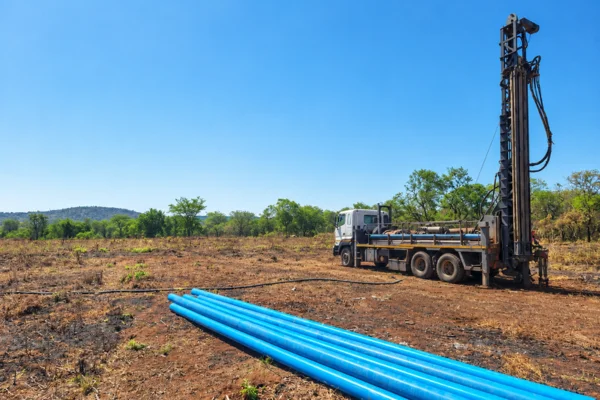
Equipment for Different Drilling Operations
Different rig types and drilling systems allow contractors to select equipment according to their operating conditions, project portfolio and preferred drilling methods.
Water Well Drilling Machines
Water well drilling machines support groundwater-development work where appropriate drilling capacity, borehole control and reliable field operation are important.
Borehole Drilling Rigs
Drilling rigs provide the primary platform for advancing boreholes, handling the drill string and operating the selected drilling tools.
Choosing the Right Drilling Method
Drilling technology determines how energy is transferred into the formation and how drilled material is brought out of the borehole. The method therefore needs to correspond with the type of formation and the intended drilling operation.
Adaptable Drilling Arrangements
Where the machine is designed to accommodate more than one drilling approach, contractors can use suitable tooling and drilling assemblies for different project conditions.
Percussion at the Bottom of the Hole
Down-the-hole drilling places the hammer close to the formation, allowing compressed-air impact energy to be delivered directly to the rock face.
Continuous Rotary Cutting
Rotary drilling uses rotational force to advance the cutting tool through the formation. Different bit and circulation arrangements can be applied according to the drilling environment.
Air-Assisted Material Removal
Compressed air can operate pneumatic drilling tools while helping move cuttings away from the bottom of the borehole.
Mobile Rig Solutions for Zimbabwean Worksites
Moving drilling equipment efficiently between locations is an important part of contractor operations. The most practical machine platform depends on the transport route, working area and type of terrain encountered at the drilling site.
Road-Ready Truck Platforms
Truck-mounted rigs combine drilling equipment with road transport capability, making them practical for contractors moving between accessible drilling locations.
Compact Drilling Arrangements
Smaller or more compact drilling platforms can be considered where working space and site access place greater restrictions on ma
Agricultural Tractor Platforms
Tractor-mounted drilling machines can provide useful mobility for farms and rural properties where tractor-based access is already available.
Tracked Machines for Uneven Terrain
Crawler-mounted rigs use tracked undercarriages to improve ground contact and movement across uneven or less-developed work areas.
Water Development Opportunities Across Zimbabwe
Groundwater plays an important role in many Zimbabwean development activities. Drilling equipment can support contractors working across different sectors where boreholes are required as part of the water infrastructure.
01. Residential Water Infrastructure
Private properties, housing developments and estates can incorporate boreholes as part of their independent or supplementary water supply systems.
02. Farm Water & Irrigation
Borehole development can provide an important water source for agricultural properties, irrigation schemes and livestock operations.
03. Industrial Water Requirements
Industrial developments may require dedicated groundwater infrastructure to support production, processing or general site activities.
04. Rural Water Development
Drilling equipment can support groundwater programmes in rural areas where conventional water infrastructure is limited.
05. Institutional & Community Projects
Schools, healthcare facilities, community developments and other institutions may require borehole-based water infrastructure.
06. Hotels & Commercial Properties
Commercial facilities can use groundwater development to strengthen water availability for day-to-day operations.
Measuring a Rig Beyond Its Advertised Depth
A drilling rig should not be selected on maximum depth alone. Several technical characteristics determine how effectively a machine can perform under actual field conditions.
Mast Travel
Mast travel and working height influence drill-pipe handling and the length of drilling components that can be managed during operation.
Transport Footprint
Machine dimensions, weight and mounting arrangement affect mobilisation, transport planning and access to the worksite.
Hoisting Performance
Pull-up and lifting capability affect drill-string handling, tool extraction and operation at increasing drilling depths.
Air System Demand
DTH drilling requires sufficient compressor performance to operate the hammer and maintain effective borehole cleaning.
Working Diameter
The intended borehole diameter influences bit selection, casing, drilling power and overall machine suitability.
Rotary Head Output
Torque and rotational speed determine how the drilling head interacts with different drilling tools.
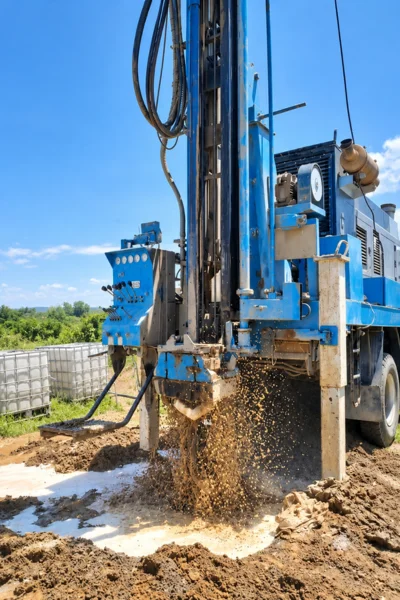
Why Choose Synergy Rigs Zimbabwe?
Multiple Drilling Platforms
Different mounting platforms provide contractors with options for road mobility, agricultural access and challenging field conditions.
DTH & Rotary Technology
The product approach incorporates established drilling technologies for different groundwater and borehole drilling environments.
Engineering-Focused Product Range
Our drilling equipment portfolio is centred on machines and supporting systems developed for professional drilling operations.
Zimbabwe Market Focus
The business is positioned around the needs of drilling contractors and groundwater-development activities within Zimbabwe.
Complete Equipment Compatibility
Rigs, compressors, drill pipes, hammers, bits and accessories can be considered as part of an integrated drilling system.
Contractor-Focused Approach
Equipment selection is approached around the contractor's drilling work, machine utilisation and operating environment.
Frequently Asked Questions About Borehole Drilling Rigs in Zimbabwe
1. What type of drilling rig is suitable for borehole drilling in Zimbabwe?
The appropriate rig depends on the drilling method, target depth, bore diameter, formation, site access and supporting equipment required for the project.
2. What is the difference between DTH and rotary drilling?
DTH uses a pneumatic hammer to deliver impact at the bottom of the borehole, while rotary drilling relies primarily on continuous rotation of the cutting tool.
3. Are DTH rigs suitable for hard-rock formations?
DTH drilling is commonly applied to consolidated rock because impact energy is delivered directly at the bottom of the borehole.
4. What should I compare when buying a borehole drilling machine?
Important specifications include drilling depth, bore diameter, mast capacity, pull-up force, rotary torque, rotation speed, compressor compatibility and machine mobility.
5. What compressor is required for DTH drilling?
The compressor should provide suitable pressure and air volume for the selected DTH hammer, borehole size and drilling conditions.
6. Can one drilling rig support different drilling methods?
Some machines can accommodate different drilling arrangements when their drilling head, power system, controls and tooling are designed for multiple methods.
7. What equipment is needed with a borehole drilling rig?
Depending on the drilling method, the system may require a compressor, drill pipes, DTH hammers, drill bits, rotary tools, stabilisers and other drilling accessories.
8. Are crawler rigs suitable for difficult-access drilling sites?
Crawler-mounted rigs can provide useful tracked mobility and stability for uneven terrain and locations where wheeled equipment may have greater access limitations.